
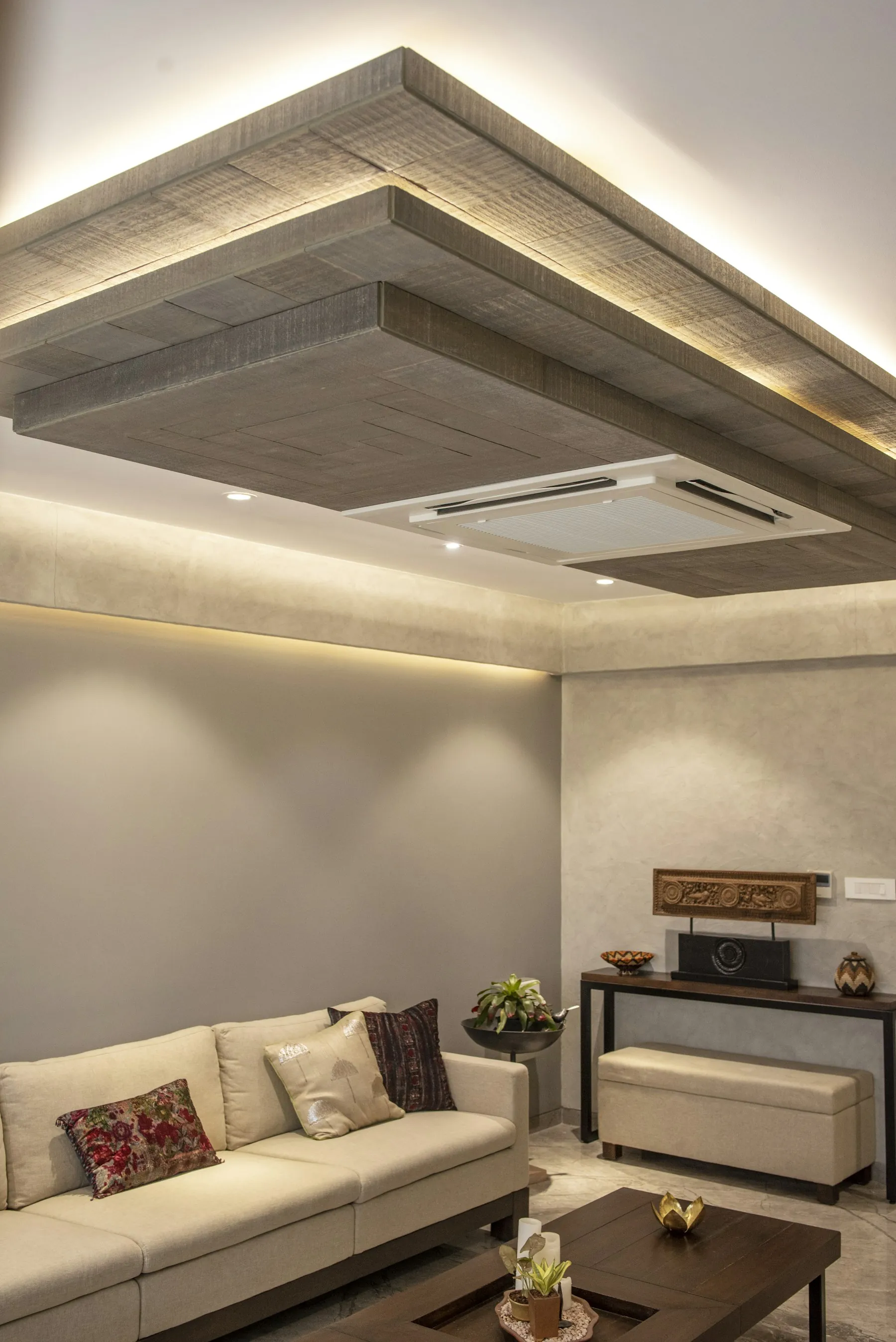
All false ceiling & lighting
Gypsum and POP ceilings with layered lighting that changes how a room feels.
False Ceiling & Lighting
Gypsum board and plaster of Paris (POP) are the two materials most Indian homes use for false ceilings. Both come from gypsum, but they are installed differently and they age differently, so the better choice depends on the room and on the look you want.This page sets out how each behaves, where each belongs and what to ask before you decide. We design and fit both, so the advice is about your ceiling, not about what we prefer to sell.
01Fit
02Design ideas
Large flat or stepped areas in the living room, bedrooms and passage. The sheets give an even surface that takes paint cleanly.
Rounded corners, circular recesses and cornices are shaped on site, which is where POP is the easier material.
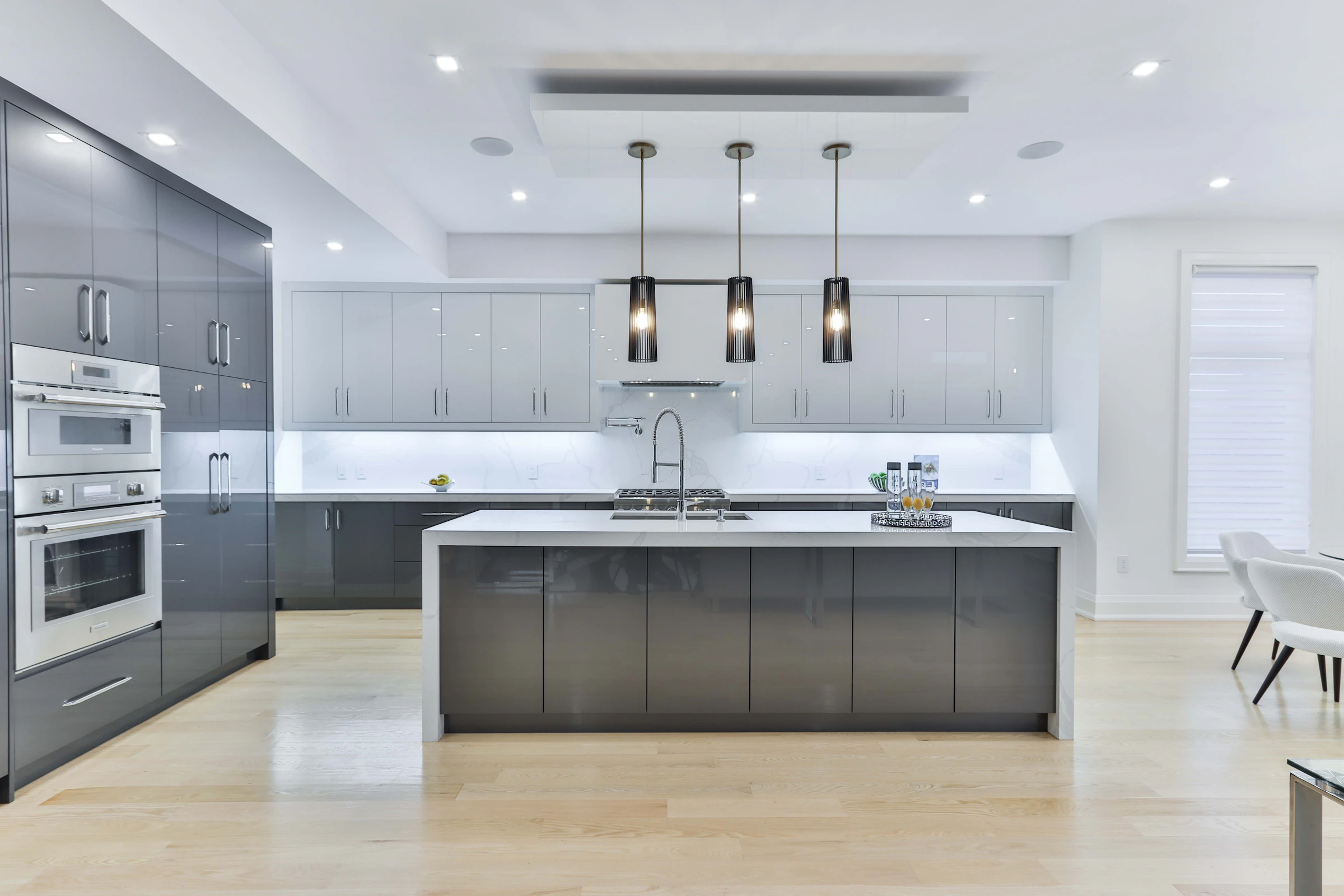
Where a ceiling must sit close to a kitchen or a utility area, a moisture-resistant gypsum board performs better than plain POP.
A dropped border with a hidden LED strip is simple to form from boards and gives a crisp, straight edge.
A raised or stepped recess above the sofa, with a pendant at the centre, works in either material when the height allows.
In a low-ceiling flat, a single-level gypsum ceiling hung close to the slab keeps height and still hides wiring.
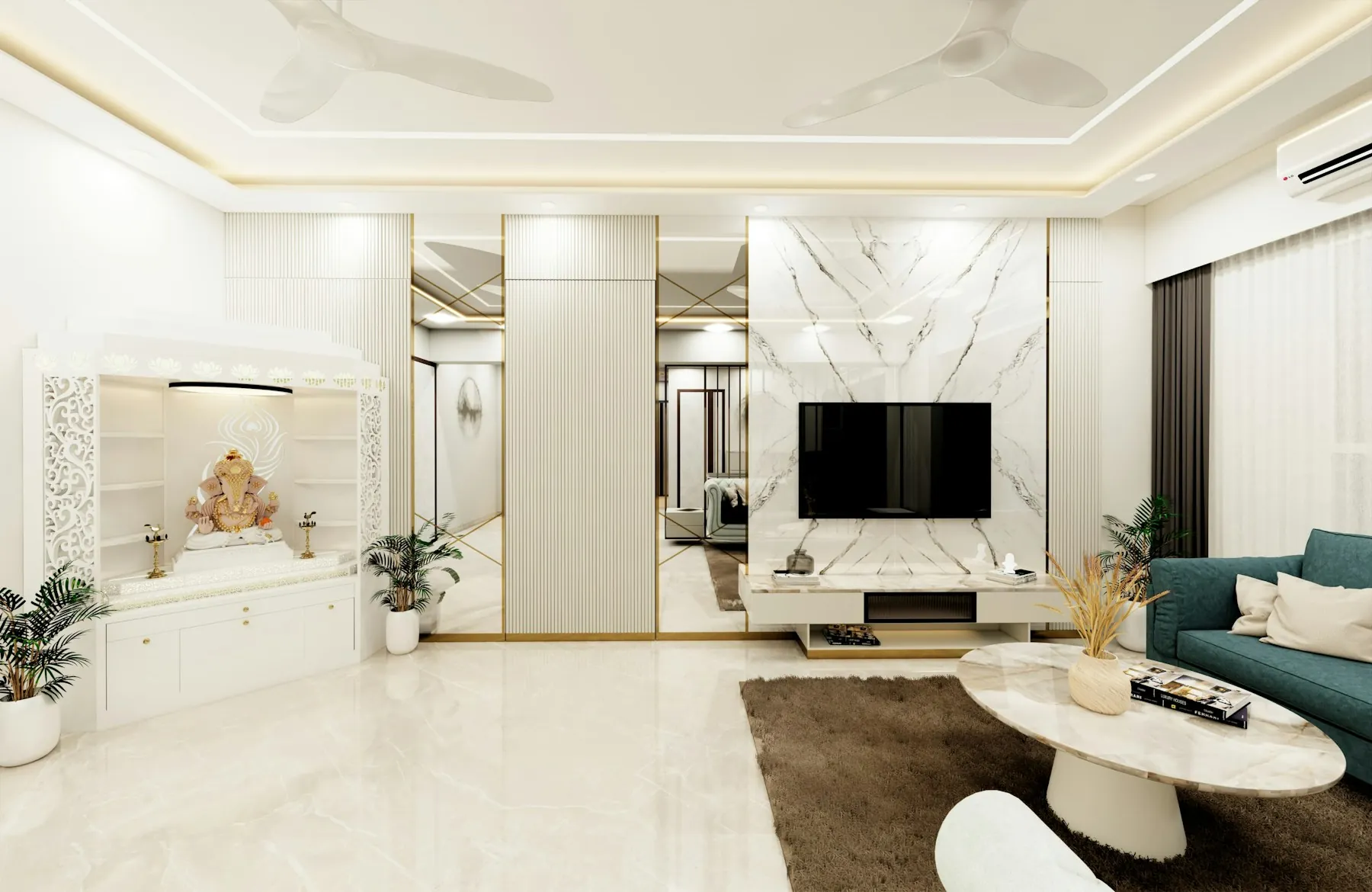
A moulded edge around the room, painted to match the walls, adds detail without lowering the whole ceiling.
A timber panel over the dining table or the bed, set against a plain white gypsum ceiling, adds warmth and depth.
03Materials
04Planning
05Inspiration
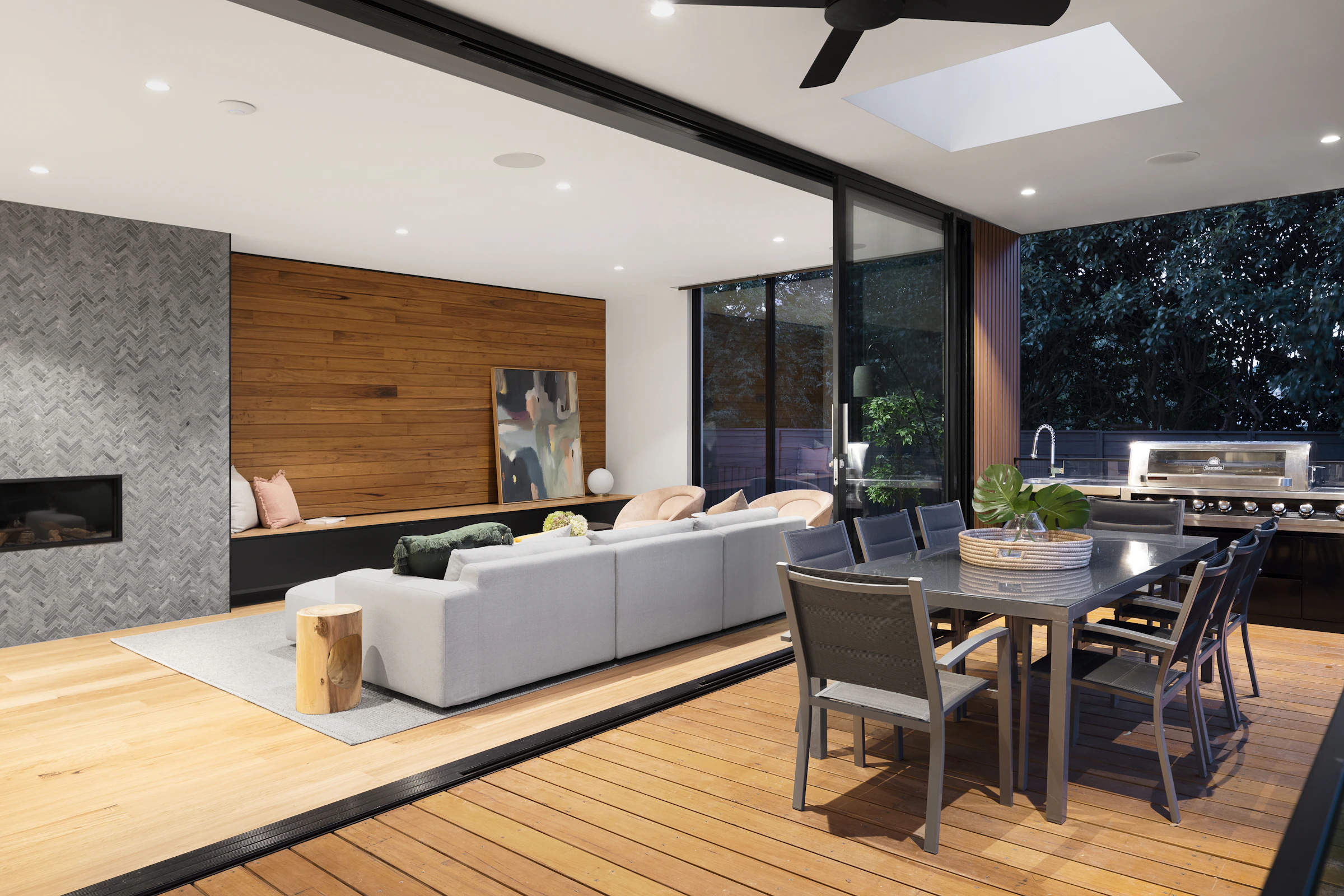
Illustrative photos to show styles and ideas. They are not our completed projects.

06FAQ
For most flats, gypsum board is the more practical choice because it is quick to fit, gives an even surface and is cleaner on site. POP is better when you want curves, mouldings or custom shapes. Many homes use both.
Strength depends mostly on the framework and the fixing, not only the material. A well-built grid holds either one. Neither should carry heavy fittings; chandeliers and fans hang from the slab.
Plain POP and ordinary boards are not suited to wet areas. In a kitchen, a moisture-resistant board with a good paint system can work. In a bathroom, consider a PVC or metal ceiling, or a moisture-resistant board with proper ventilation.
Cracks follow weak framework, untaped joints and movement in the building more than the material. Either can be made crack-resistant with a firm grid, taped joints and movement joints on large spans.
It varies with the design, the board grade, the detailing and the labour involved. Plain flat work and heavily detailed work differ far more than the two materials do, so we price from the actual drawing after a site visit.
Yes. A common approach is gypsum boards for the main ceilings and POP for a moulded border or a curved feature. We plan the two so the paint finish matches.
Free consultation
Share a few details and we will call you to plan a site visit. The consultation is free.
Keep exploring
Gypsum and POP ceilings with layered lighting that changes how a room feels.